Tools and resources you need to do a word study on the Greek word for mercy, ἐλεέω

mercy, eleeó, G1653
read more

Latest Blog Posts from Wednesday in the Word, the podcast about what the Bible means and how we know.
Tools and resources you need to do a word study on the Greek word for mercy, ἐλεέω

Only those will to commit the costly act of being merciful will receive mercy in the kingdom of God, because showing mercy is an implication of having saving faith.

Does God only bless? Many are willing to believe that God only blesses, but reject the idea that He also judges. A subtext of the beatitudes counters that idea.

When you’re physically hungry, the desire to eat is so overwhelming you can hardly think about anything else. Jesus is counting on that experience in this beatitude. The truly fortunate ones long for that which is missing in this life which only the kingdom of God can fulfill: holiness.

While Matthew 5:5 is probably the most famous beatitude, not many people understand what it means. Jesus does not explain what he means by “meek”, but he is quoting Psalm 37 which gives us a very big clue.

Tools and resources you need to do a word study on the Greek word for pure or clean: καθαρός

Tools and resources you need to do a word study on the Greek word for inherit, kléronomeó, κληρονομέω.

Mourning is the appropriate emotional response to being poor in spirit. When you realize that life is not what it should be and you are not the kind of person you should be, the appropriate response is to weep over it.

Even if you’re using an interlinear Bible, it’s helpful to understand the basic punctuation marks and accents.
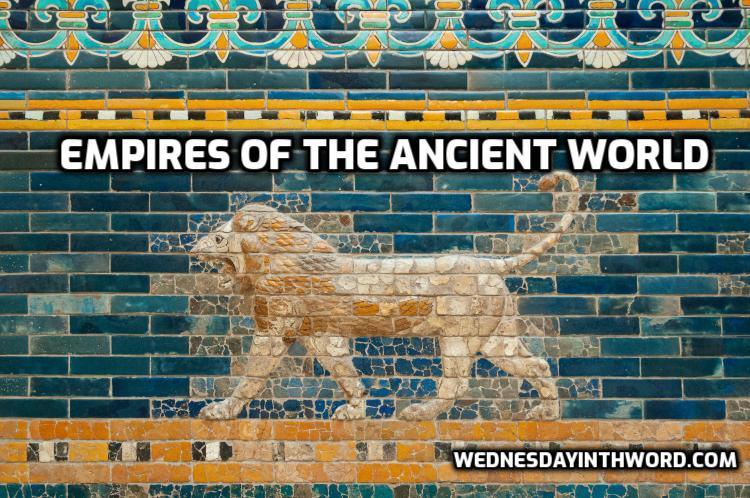
Over the course of biblical history, the children of Israel were challenged, threatened and conquered by several other ancient empires. Understanding something about those empires can inform your biblical understanding.

We thank all those now serving and pray for their safety and blessing. We are grateful.

1st major section done! Deep dive into the beatitudes. Tell me what you’ve learned from the Gospel of Matthew so far. I’ll include a few favorites in next month’s email. (This should be fun!)

Scripture records the deaths of only 2 apostles: James (Acts 12:1-2) and Judas Iscariot (Matthew 27:5). Most of what we know about the deaths of the other apostles comes from early Christian writers and church tradition. Most scholars think the Apostle John is the only apostle who died of natural causes. The exact dates are unknown, most are estimates.

Unlike those who are self-satisfied and see themselves as spiritually rich, the poor in spirit know that they are morally bankrupt and nothing in this world can give them what they truly need. This knowledge is a core conviction of saving faith.

Despite the popularity of podcasts today, many people don’t know how to get started listening. Don’t be embarrassed! Ironically, because there are so many different ways to listen, getting started is confusing. Anyone can click on a YouTube video or google a website, but where do you find podcasts? Here are some tutorials.

Israel had 3 temples during its Old & New Testament time period. The original temple was built by Solomon. After the exile, a second temple was built under Zerubbabel. Finally, Herod the Great expanded and enlarged the temple during his reign.

A list of the Kings of Persia in biblical times and where they appear in Scripture.

Before we look at the beatitudes, we need to understand what it means to be blessed, the nature of a beatitudes (Jesus wasn’t the first to employ them) and how Jesus expects us to understand them.

Here’s my collection of Bible charts, lists, chronologies and outlines.

Approximate distances from Jerusalem to key cities and sites in biblical times.
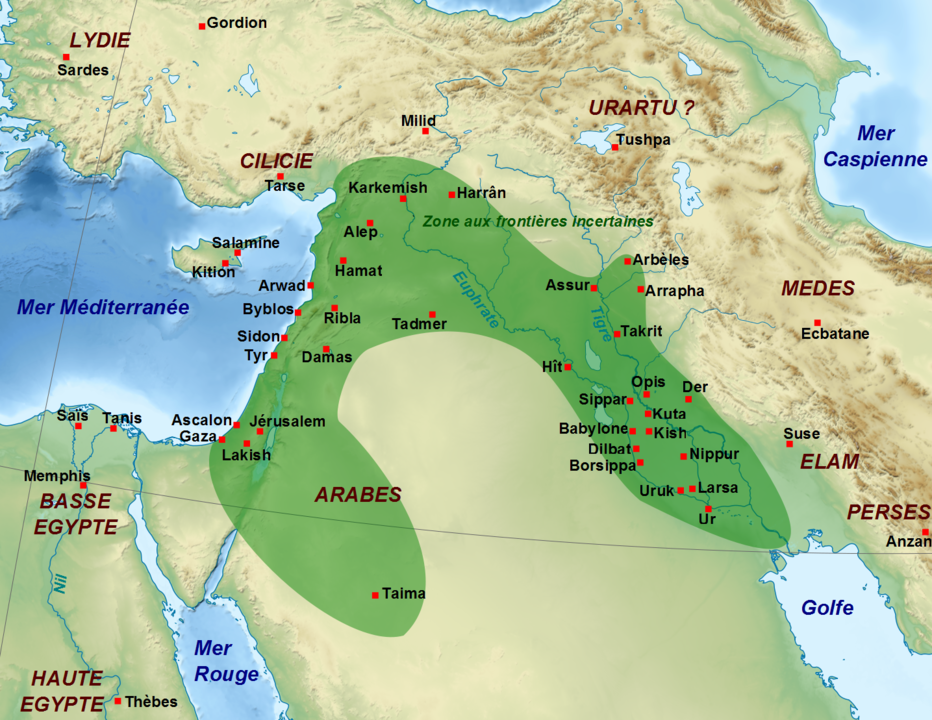
The Babylonian Empire became a world power in 625 BC after the fall of Assyria. Babylon continued its reign until 536 BC. Nebuchadnezzar, its greatest king, reigned in the days of Daniel and took the southern Kingdom of Judah into captivity after the fall of Jerusalem in 586 BC. Babylon was finally captured by the Medes and Persians under Cyrus as predicted by the prophet Daniel, and the Babylonian Empire came to an end in 536 BC.

The Sermon on the Mount is one of the most important passages in Scripture, as it is a profound and unique body of teaching from the Messiah himself. Yet throughout church history, believers have found it difficult to agree on what this sermon means and how it is to be applied to our lives. In this introduction, I’ll contrast the different approaches to the Sermon on the Mount and explain which approach I take.

Learning biblical Greek can enrich your Bible study. Even a little knowledge of biblical Greek can help. Check out these tools and tips.

What does the first watch mean? What is the “third hour”? The Jewish day ran from sunset to sunset and was divided in 8 equal parts called watches and hours. Here’s what they mean.

The Assyrian Empire is important to biblical history for devastation the kingdom of Israel and taking the 10 northern tribes into captivity in 722 BC.

Matthew 4:12-25 Explained: Jesus calls his first disciples, fulfills Isaiah’s prophecy in Galilee, and announces the kingdom. Learn what “repent” means and why geography matters in the gospels.

Greek Word Studies: Tools to help you study the Greek words in the New Testament from Wednesday in the Word

Contrasting the way of the wicked and the righteous is a very common theme in the Old Testament. Here are a few Psalms where we find this theme.

In May, we’ll start the beatitudes from the Sermon on the mount. We’ll talk about what they mean and how Jesus expects us to respond.

Discover why Jesus rejected Satan’s offer of the kingdoms in Matthew 4:8-11. Learn what “The Lord is one” really means, how to recognize modern idolatry, and why God calls us to suffer before glory.

Tools and resources you need to do a word study on the Greek word for righteousness: dikaiosunē

Tools and resources you need to do a word study on the Greek word for righteous: dikaios

Discover what Jesus’ second temptation in Matthew 4:5-7 teaches about testing God. Learn the difference between faith and presumption, and why waiting on God is greater faith than spectacular acts.

Tools and resources you need to do a word study on the Biblical Greek word for meek or gentle, praus, G4329

One of the basic parts of a word study is finding and comparing the uses of the word in the rest of Scripture. Before the internet, we used a physical concordance. Here’s how to locate quickly accomplish this task using my favorite Bible study software: e-sword.

Discover why Jesus refused to turn stones into bread in Matthew 4:1-4. Learn how trusting God in trials matters more than meeting immediate needs—and how to apply this lesson in your wilderness.