
What to observe when you study
Master Bible observation by learning what to notice in each passage and why it matters. How to Observe Scripture: 10 Things to Watch For
Master Bible observation by learning what to notice in each passage and why it matters. How to Observe Scripture: 10 Things to Watch For
You don’t have to be a Bible expert to lead a healthy group. Learn how to guide a simple, text-centered Bible discussion with confidence and without pressure.

The first step in Bible study is observation. The goal is to slow down your reading and generate a list of questions that must be answered to understand the passage. I tend to break observation into the following 4 steps which generally correspond to my first few readings through the passage.
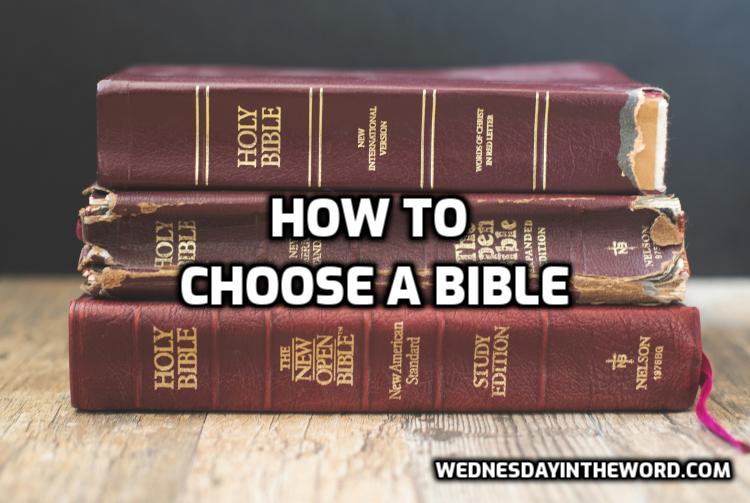
Not sure which Bible to read? Learn the difference between word-for-word, thought-for-thought, and paraphrase translations—and which one is best for study and devotion.
Paul’s closing charge is often misunderstood. In this passage, “examine yourself” is not a call to anxious introspection but a corrective to a church testing Paul while overlooking the evidence of Christ at work among them. Paul redirects attention from his credentials to their shared life in Christ, using his authority to build them up and aiming for restoration, unity, and peace.

Apocalyptic literature is a sub-category of prophecy. The name comes from the Greek word apocalypsis which means uncovering or unveiling.

Start Strong releases January 9. 5 New podcast episodes. 4 New Bible Study Resources. September 25 news from Wednesday in the Word.
Background is your flashlight, not your steering wheel. Use it to illuminate the author’s path. Then keep walking where the paragraph leads
What was Paul’s thorn in the flesh and why didn’t God remove it? Discover how weakness can reveal God’s power and reframe your own struggles.

An analytical outline is a way of displaying a text of Scripture so that the flow of thought and the relationship between the grammatical parts become clear. It is my favorite study tool and one of the first things I do. Learn how to make one.
How to Use Commentaries wisely: when to open them, which ones to read, and how to compare, without replacing your own study.
Paul confronts the false apostles and reveals what true gospel leadership looks like. Learn how to spot deception and follow the real thing.
 Krisan Marotta is a Bible teacher and host of Wednesday in the Word, the podcast about what the Bible means and how we know.